Chosar 1 Peter 29 Jesus Sublimation Review
As a designer who bridges the gap between digital graphics and tangible textiles, I approach every new asset with a specific question: will this actually work when thread hits fabric? When evaluating Chosar 1 Peter 29,jesus Sublimation, my perspective shifts from pure graphic design to practical application. This file arrives as a high-resolution 4500×5400 pixel PNG at 300dpi in RGB color mode, complete with SVG support files. While marketed primarily for sublimation, these specifications make it a compelling candidate for mixed-media projects and digitizing references. For embroidery designers, Etsy sellers, and craft business owners, understanding how to leverage this graphic asset is key to creating professional finished products.
First Impressions and Visual Weight
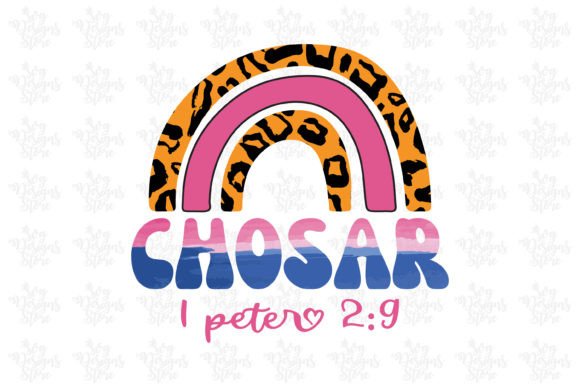
My initial assessment of Chosar 1 Peter 29,jesus Sublimation focuses on its visual hierarchy and emotional resonance. The composition carries a distinct mood that feels reverent yet accessible, avoiding the overly ornate complexity that often plagues religious graphics. For a machine embroidery design reference, clarity is paramount. The lines in this 300dpi source file are crisp enough to serve as a reliable tracing template if you are manually digitizing, or as a direct print layer for hybrid projects.
The RGB color profile indicates vibrant saturation, which translates beautifully for sublimation but requires careful thread matching for embroidery. As a graphics asset, it avoids muddy gradients, suggesting that if converted to an applique design or fill stitch pattern, the color blocks would remain distinct. This visual cleanliness is essential for maintaining brand consistency across different mediums, whether you are producing custom apparel or digital product previews.
Real-World Application: The Hybrid Sweatshirt Project
To truly test the viability of Chosar 1 Peter 29,jesus Sublimation, I envision a specific real-life scenario: creating a premium faith-based sweatshirt for a boutique collection. Pure embroidery on heavy fleece can sometimes result in stiff, dense areas that detract from the garment's comfort. Conversely, pure sublimation on cotton blends can look washed out. This is where this specific file shines.
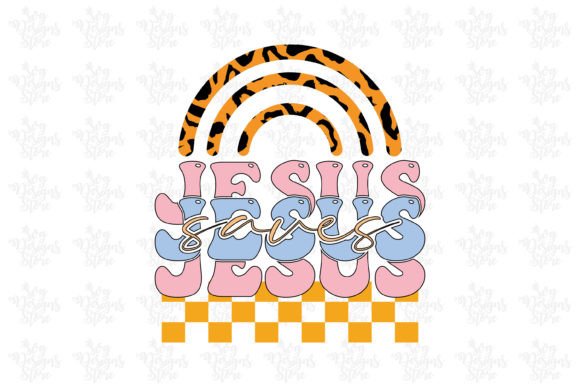
In this project, I would utilize the high-resolution PNG as a sublimated background element on a poly-cotton blend sweatshirt, capturing the full artistic detail of the Jesus illustration. Then, using the included SVG cut file as a guide, I would add strategic machine embroidery over specific focal points—perhaps outlining key text or adding texture to the central figure using satin stitch accents. This hybrid approach maximizes the strengths of the digital embroidery file while respecting the limitations of fabric. The result is a handmade product that feels high-end and intentional, rather than a generic craft fair item. Customers respond to this level of mixed-media sophistication because it signals quality and thoughtful design.
Navigating Fabric Limitations and Hoop Sizes
While the versatility of Chosar 1 Peter 29,jesus Sublimation is impressive, experienced makers know that execution depends heavily on substrate choice. Because this is a raster image optimized for print, translating it to needlework requires caution regarding fabric texture and stability.
- Textured Fabrics: If you are digitizing this design for linen or canvas tote bag designs, be aware that fine details in the 300dpi image may get lost in the weave. You may need to simplify the artwork into broader fill stitch areas rather than intricate running stitch outlines.
- Stretchy Materials: For baby embroidery or performance wear, the large 4500×5400 pixel dimensions suggest a substantial design area. Large designs on stretch fabrics require robust stabilizer and potentially a smaller hoop size to prevent distortion. Always test on scrap fabric first.
- Dark vs. Light Backgrounds: Since the file is in RGB mode, verify how the colors interact with dark garments. If you plan to use this for commercial embroidery on navy or black apparel, ensure the design has sufficient contrast or includes a white underbase layer in your digitizing software.
- Curved Surfaces: Using this graphic for caps or curved patches requires significant modification. The rectangular aspect ratio of the source file does not naturally map to a curved hat frame without distortion.
Elevating Product Value and Customer Trust
In the competitive landscape of Etsy sellers and small shop products, presentation dictates perceived value. Chosar 1 Peter 29,jesus Sublimation offers more than just a pretty picture; it provides a foundation for professional merchandising. The inclusion of SVG cut files allows creators to produce accurate printable mockups before stitching a single sample. This capability is invaluable for validating market interest and reducing waste.
When customers see a listing featuring crisp, well-lit mockups derived directly from the source art alongside photos of the actual embroidered patch or finished product, trust increases. They understand exactly what they are purchasing. Furthermore, utilizing high-quality graphics ensures that your personalized gift or holiday embroidery maintains its integrity after washing. Low-resolution sources often lead to jagged edges in both print and stitch, which devalues the handmade nature of the item. By starting with a 300dpi professional asset, you protect your reputation as a maker.
Essential Technical Notes for Makers
Before integrating Chosar 1 Peter 29,jesus Sublimation into your production workflow, consider these practical designer notes to ensure success across various applications:
- Verify Licensing: Always confirm the specific license terms for commercial embroidery and digital resale. Just because a file is high-resolution does not automatically grant permission to sell the digitized version or the raw graphic.
- Color Mode Conversion: Remember that embroidery threads do not emit light like RGB screens. Convert your color palette to physical thread charts (like Madeira or Robison-Anton) before digitizing to avoid disappointment in the final stitch-out.
- Density Management: If converting this large graphic entirely to stitches, watch your stitch density. A 4500px wide design could generate excessive stitch counts if not optimized, leading to puckering on lightweight fabrics.
- Test Contrast: Create a black and white version of the file to check value contrast. If the design relies solely on color differentiation without value variation, it will fail in tone-on-tone embroidery or low-light photography.
- Stabilizer Selection: Match your stabilizer to the end-use. A tea towel needs wash-away backing to remain soft, while a structured cap needs tear-away or cap-specific backing. Do not use one stabilizer for all variations of this design.
Final Thoughts on Versatility
Chosar 1 Peter 29,jesus Sublimation represents a strong intersection of digital artistry and crafting utility. Whether you are a hobbyist making a meaningful gift or a creative entrepreneur scaling a boutique line, this asset provides the resolution and format flexibility needed for professional results. Its true power lies not just in the pixels, but in how thoughtfully you adapt it to the physical constraints of thread and textile. By respecting the technical requirements of machine embroidery design and leveraging the high-quality source files for mockups and hybrid techniques, you can transform this graphic into a standout addition to your product catalog. Always prioritize testing and material compatibility to ensure your creative vision translates perfectly from screen to stitch.