Jesus Saves Sublimation Designs: An Embroidery Review
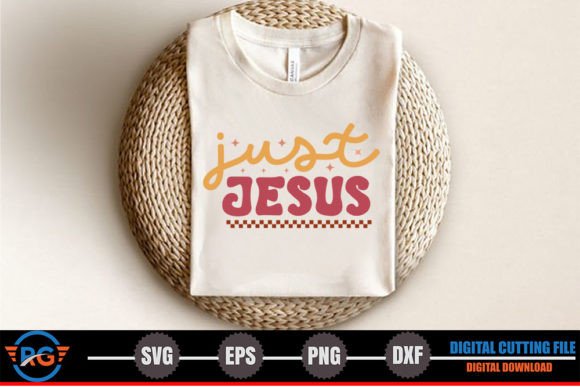
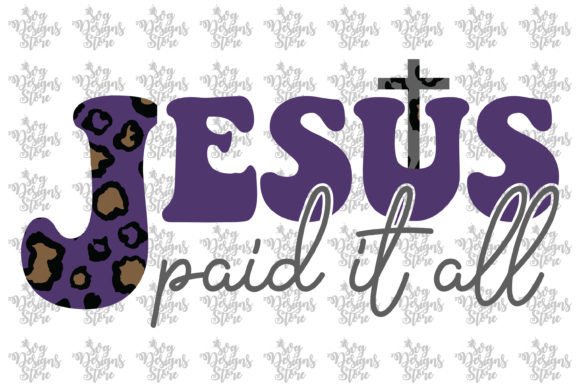
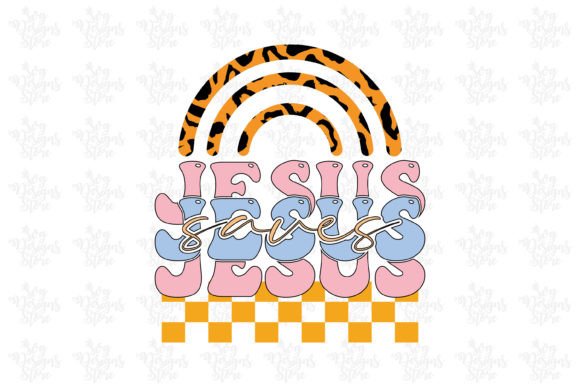
As a designer who bridges the gap between digital graphics and tactile needlework, I approach every new asset with a critical eye. When evaluating Jesus Saves,jesus Sublimation Designs, my first thought isn't just about how it looks on a screen, but how it translates to thread and fabric. This high-resolution graphic, boasting 4500×5400 pixels at 300 DPI in RGB color mode, is primarily marketed for sublimation. However, for those of us in the Crafts and apparel decoration space, these Graphics serve as an exceptional foundation for mixed-media projects or as high-fidelity references for digitizing custom machine embroidery designs.
First Impressions: Visual Weight and Spiritual Tone
Upon opening the source files, the clarity is immediately apparent. The 300 DPI resolution ensures that edges are crisp, which is vital whether you are printing directly or tracing for an embroidery file. The mood of this design is reverent yet accessible. It avoids the cluttered aesthetic that often plagues religious merchandise, opting instead for a clean layout that communicates peace and assurance. For a crafter or Etsy seller, this visual personality suggests versatility. It doesn't scream "church gift" exclusively; it feels appropriate for modern Christian apparel, nursery decor, or personalized gifts that carry meaning without being ostentatious.
The inclusion of SVG cut files alongside the print-ready PNG and JPEG sources is a significant advantage. While the RGB color mode is optimized for vibrant sublimation ink, the vector support file allows us to isolate elements easily. If I were adapting this for a satin stitch border or a fill stitch background, having that scalable vector data saves hours of manual redrawing.
Real-World Application: The Custom Sweatshirt Test
To truly judge the utility of Jesus Saves,jesus Sublimation Designs, I mentally placed it in a current production scenario: creating a premium unisex sweatshirt for a boutique holiday collection. My goal was a mixed-media piece where the central message is sublimated for photographic detail, while the surrounding accents are embroidered for texture.
In this context, the design performs beautifully. The high pixel count allows the sublimated portion to remain sharp even when scaled up for an adult XL garment. Because the image has distinct contrast areas, it pairs well with tonal embroidery. I envision using a running stitch to outline key typographic elements or adding a small embroidered cross accent above the text. This combination elevates the perceived value of the finished product. Customers trust handmade items that show intentional construction; they can feel the difference between a flat print and a thoughtful integration of thread and ink.
For small business owners, this specific workflow maximizes profit margins. Sublimation covers large areas quickly and cheaply, while strategic embroidery adds the "custom" price justification. The transparent PNG file makes mocking up this hybrid design effortless, allowing you to present a professional printable mockup to clients before committing to production.
Navigating Fabric Limitations and Placement
While the digital asset is flawless, physical application requires caution. Because Jesus Saves,jesus Sublimation Designs is high-detail, it demands the right canvas. On textured fabrics like linen or heavy canvas tote bags, fine sublimation details can get lost in the weave. Similarly, if you are converting this into a pure machine embroidery design, you must be wary of stitch density. Translating a 4500-pixel wide image directly into stitches without simplification will result in a bulletproof patch that distorts stretchy fabrics.
I advise against using the full-complexity version on baby clothes or thin knits. The sheer amount of ink or potential stitch coverage could make the garment stiff or uncomfortable. Instead, utilize the SVG support files to create a simplified applique design or a minimalist line-art version for these delicate items. Dark fabrics also present a challenge; since the source is RGB and likely designed for white polyester substrates, you cannot simply print this onto black cotton. You would need to invert colors for sublimation or switch entirely to thread, ensuring your thread colors provide sufficient contrast against the dark background.
Elevating Brand Consistency and Product Value
For creative entrepreneurs, consistency is currency. Using a high-quality asset like Jesus Saves,jesus Sublimation Designs helps maintain a cohesive brand identity across different product lines. Whether you are making an embroidered patch for caps, a tea towel for a kitchen set, or a digital download for other crafters, the resolution ensures the design never looks pixelated or amateurish.
This level of quality directly impacts buyer engagement. In the crowded Etsy marketplace, listings featuring crisp, well-lit photos of high-resolution designs convert better. When a customer zooms in on your listing photo and sees clean edges and vibrant color rather than blur, trust is established. Furthermore, because this asset includes multiple formats, it supports various revenue streams. You can sell the physical embroidered sweatshirt, the sublimated tote bag design, or even the digital embroidery file itself (provided your licensing permits), all derived from one master source.
Designer Notes: Practical Steps Before Stitching
Before you hoop fabric or heat press, adhere to these professional best practices to ensure Jesus Saves,jesus Sublimation Designs succeeds in your workshop:
- Verify Licensing: Always confirm the commercial use terms included with the file. Just because a file is high-resolution does not automatically grant permission to sell finished products or redistribute the digital assets.
- Test on Scrap Fabric: Never run a final project without a test stitch-out or press. Check how the RGB colors translate to your specific printer or thread palette. Colors on screen rarely match physical output perfectly.
- Check Stabilizer Requirements: If adapting this for embroidery, match your stabilizer to the fabric weight. A dense fill stitch version of this design will require cutaway stabilizer on knits to prevent puckering.
- Inspect Small Details: At 4500×5400 pixels, the design is massive. If resizing down for a cap or sleeve, ensure tiny serifs or decorative flourishes don't disappear. Simplify the design assets for smaller hoop sizes.
- Mockup in Black and White: Test the design’s readability by removing color. If the message isn't clear in grayscale, adjust your contrast or thread colors before production.
- Color Mode Awareness: Remember this is an RGB file. If sending to a professional digitizer or printer who requests CMYK, convert the file first to avoid unexpected color shifts in the final handmade product.
Final Thoughts for the Modern Maker
Jesus Saves,jesus Sublimation Designs represents the kind of versatile, high-spec asset that serious crafters need. It respects the intelligence of the maker by providing robust source files rather than flattened, unusable images. Whether you are producing commercial embroidery for a church event, creating personalized gifts for the holidays, or building a sustainable craft business, this design offers a solid foundation. By understanding its strengths in resolution and format, and respecting its limitations regarding fabric and density, you can transform this digital graphic into a tangible expression of faith that customers will cherish. Always prioritize testing and proper preparation, and let the quality of your materials reflect the quality of your message.