Jesus SVG Cutting File: An Embroidery Designer’s Review
As a professional embroidery digitizer and product reviewer, I approach every new digital asset with a specific question: will this actually stitch out well on fabric? When evaluating the Jesus SVG Cutting File, my perspective shifts from simple graphic appreciation to technical feasibility. While this file is marketed primarily for vinyl cutting, card making, and scrapbooking within the Crafts and Graphics categories, many makers want to adapt these clean lines for needle and thread. After reviewing the design's structure and visual weight, I see significant potential for faith-based apparel and gifts, provided you understand how to translate vector art into a successful machine embroidery design.
First Impressions: Visual Weight and Spiritual Tone
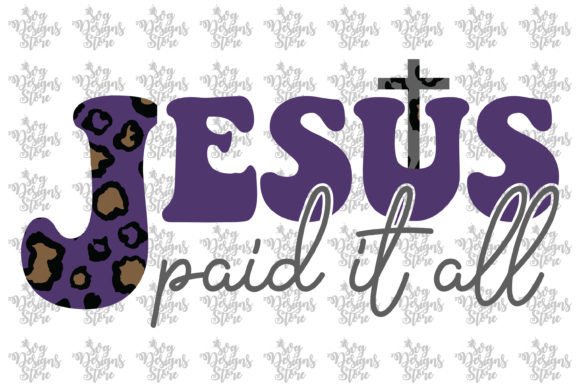
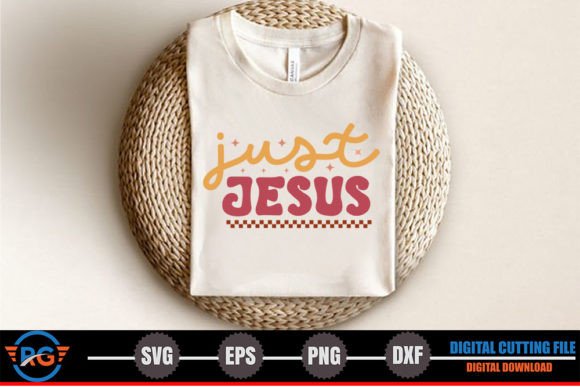
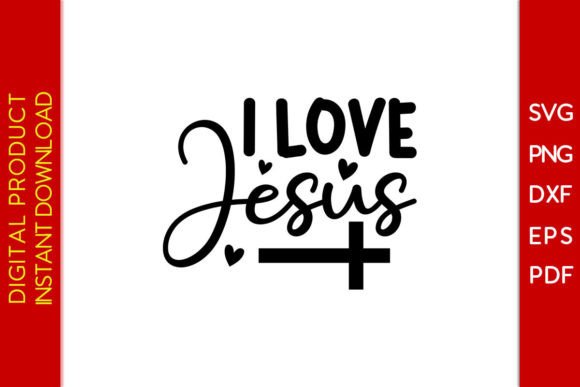
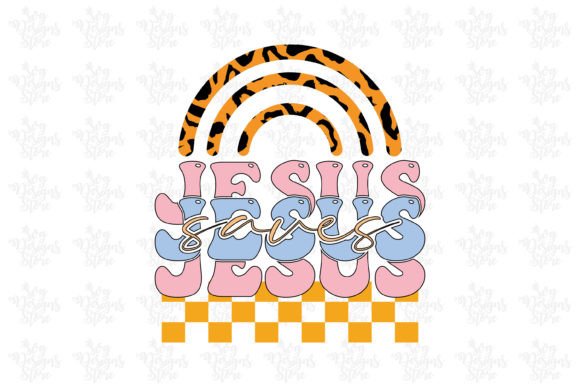
The immediate strength of this Jesus SVG Cutting File lies in its clarity. The lines are decisive and uncluttered, which creates a mood of reverence and modern simplicity. In the world of religious merchandise, there is often a temptation toward excessive ornamentation, but this design embraces a minimalist aesthetic that feels fresh. For an embroidery designer, clean vectors are a blessing. They suggest that if converted properly, the design will not suffer from the "muddy" look that plagues overly complex religious clipart.
Visually, the layout centers the subject matter without feeling heavy. This balance is crucial when planning placement on a sweatshirt or tote bag. The negative space around the central figure allows the fabric texture to breathe, preventing the embroidered patch from feeling like a stiff armor plate on the garment. It feels less like a generic stock image and more like a thoughtful piece of art intended for personal connection.
Real-World Application: Stitching a Custom Sweatshirt
To truly evaluate this asset, I mentally walked through a recent client project: a custom crewneck sweatshirt for a church youth group retreat. The goal was to create a personalized gift that students would actually wear, rather than something that felt dated or overly formal. The Jesus SVG Cutting File was the perfect candidate for this sweatshirt embroidery application because of its scalable nature.
In this scenario, I envisioned converting the solid shapes of the SVG into a combination of fill stitch and satin stitch borders. Because the original graphic has distinct edges, it lends itself beautifully to an applique design technique. By using the SVG as a template for fabric placement, we can reduce the overall stitch density significantly. This is vital for apparel. A fully stitched-out solid design of this size could easily exceed 30,000 stitches, resulting in a bulletproof patch that distorts the soft fleece. Using the SVG lines as guides for applique keeps the finished product soft, flexible, and comfortable against the skin.
For the lettering elements often associated with this type of graphics file, I would recommend testing the legibility at smaller sizes. On a youth medium sweatshirt, placing the design centered on the chest requires precise scaling. The clean curves of this Jesus SVG Cutting File suggest it will hold up well to resizing, but as with any digital embroidery file, you must verify the integrity of the nodes after scaling to prevent jagged edges during stitching.
Navigating Fabric Challenges and Hoop Limitations
While the design is versatile, practical experience dictates caution in certain applications. If you are planning baby embroidery or items for infants, the standard version of this file may be too large or detailed. You would need to simplify the design assets significantly to avoid choking hazards or discomfort. Always check the minimum recommended size before committing to a tiny onesie or bib.
Textured fabrics present another variable. If you are stitching this onto a terry cloth kitchen towel or a waffle-weave blanket, the fine details of the SVG might get lost in the pile. In these cases, I advise using a heavier running stitch outline or increasing the width of any satin stitch columns to ensure the design pops above the fabric texture. Conversely, on thin, stretchy knits, the stitch density must be managed carefully. Too much coverage will cause tunneling, while too little will result in gaps. Using the correct stabilizer is non-negotiable here; a cut-away stabilizer is usually best for maintaining the shape of this Jesus SVG Cutting File on knit garments.
Dark fabrics also require strategic thinking. Since SVGs are typically black vectors, they don't inherently account for thread color contrast. Before loading this embroidery file into your machine, test the design in a white or metallic thread on dark material via software simulation. What looks crisp on screen might disappear on navy blue cotton unless you adjust the underlay or add a contrasting border.
Elevating Product Value for Sellers and Makers
For Etsy sellers and small shop owners, the professionalism of your finished product hinges on execution. Customers trust handmade items that look intentional. Using the Jesus SVG Cutting File as a base for commercial embroidery projects offers a unique advantage: consistency. Because it is a vector-based graphic, you can create matching sets across different mediums—an embroidered patch for a cap, a vinyl decal for a car window, and a printed greeting card—all sharing the exact same visual DNA.
This brand consistency builds recognition. When a buyer sees a tote bag design that perfectly matches the nursery decor they purchased previously, it reinforces the quality of your craft business. However, value isn't just about aesthetics; it's about durability. Ensure that any adaptation of this file includes proper lock stitches and trim jumps. A beautiful design that unravels after one wash destroys customer trust. Taking the extra time to digitize this SVG correctly transforms it from a simple download into a premium, long-lasting feature of your inventory.
Critical Designer Notes Before You Stitch
Before you hoop up your fabric, please adhere to these practical guidelines to ensure success with the Jesus SVG Cutting File:
- Verify Licensing: The product description mentions receiving the file after payment, but it does not explicitly state commercial embroidery rights. Always confirm whether you can sell finished products or if the license is limited to personal use and paper crafts.
- Test on Scrap Fabric: Never stitch a new conversion directly onto a final product. Use a scrap of the exact fabric and stabilizer combination you intend to use to check for registration issues or puckering.
- Check Thread Colors: Since this is originally a cutting file, it lacks color breaks. You will need to manually assign thread colors and stop codes in your embroidery software.
- Inspect Small Details: If the SVG contains intricate serifs or thin lines, they may need to be thickened or removed entirely for embroidery. Needles cannot replicate the infinite resolution of vector graphics.
- Create Printable Mockups: Before listing a new item, use the SVG to create digital previews. This helps customers visualize the scale and placement without requiring you to stitch every variation immediately.
- Confirm Hoop Size: Measure the design dimensions after conversion. Ensure it fits comfortably within your machine’s maximum embroidery area with adequate margin for the hoop frame.
The Jesus SVG Cutting File is a robust starting point for faith-based creative projects. Its clean geometry and spiritual resonance make it a favorite for modern makers. By approaching it with a technician’s eye and a crafter’s heart, you can transform this digital graphic into tangible, meaningful heirlooms that stand the test of time and wear.